How to Make the Most of Your Visit to an Irish Pub in NYC
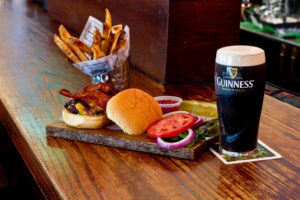
New York has no shortage of places to drink, but an Irish pub occupies its own lane. The best ones are not theme bars dressed in shamrocks. They are neighborhood institutions, places where office workers loosen their ties at 6:15, regulars drift toward their usual stools without looking up, and tourists who chose well realize within five minutes that they stumbled into something better than a checklist stop.
Making the most of an evening at an Irish Pub NYC location is less about ordering the most famous pint and more about understanding the room. Timing matters. So does where you sit, what you order, how you handle live music, and whether you are treating the place like a backdrop or a living part of the city. A good pub rewards attention. If you approach it with a little judgment, you can turn a quick drink into one of the most memorable parts of your time in New York.
Start by choosing the right kind of pub
Not every Irish pub in New York is trying to do the same job. Some lean heavily into heritage, with dark wood interiors, proper pours, and bartenders who have been handling the same crowd for years. Others are built for pregame energy near arenas or theaters. Some cater to sports fans, especially for Premier League mornings, rugby matches, and big Gaelic football fixtures. Others feel almost monastic before 7 p.m., then fill gradually with conversation rather than noise.
If you want a classic experience, look for signs of routine rather than spectacle. A pub with worn floors, a polished bar top, and a crowd that includes people who clearly know one another usually offers more than a place chasing novelty. A room like that tends to have stronger service rhythms. The bartender knows how to move quickly without making the interaction feel transactional. The kitchen, if there is one, generally turns out steadier food. The atmosphere is carried by the people in it, not by decor alone.
Location also shapes the mood. A pub in Midtown can be excellent, but many serve a high volume of after-work drinkers and visitors heading to events. That can mean a more hurried pace. Downtown and neighborhood spots in the East Village, the West Village, or parts of Brooklyn may give you more time to settle in, especially if your goal is conversation. Near transit hubs, you often get convenience and energy. On side streets, you are more likely to get depth.
There is no universal best choice. The right pub depends on whether you want a solitary pint and a newspaper, a lively session with friends, a sports-driven crowd, or a late dinner that does not feel staged.
Arrive with the evening you want in mind
People often waste the best part of a pub visit by arriving at the wrong hour. A room can feel gracious at 5:30 and nearly unusable at 8:15, not because the pub changed, but because the purpose of the room did.
Late afternoon is ideal if you care about talking, watching the bartenders work, or getting a sense of the regular crowd. This is when you can ask a question about whiskey without shouting and actually hear the answer. Early evening brings more energy but still leaves some breathing room. By the time the post-dinner crowd lands, especially on Thursdays and Fridays, your experience may become less about the pub itself and more about simply holding your place.
Weekend afternoons are often underrated. If there is a match on, the room can be packed, but the atmosphere is usually more https://jeffreyuvni785.wordcanopy.com/posts/the-best-ways-to-enjoy-an-authentic-irish-pub-nyc-visit focused and good-natured than a generic Saturday night rush. There is a clear reason everyone is there. Even if you are not a diehard sports fan, that kind of shared attention creates a more memorable environment than random crowding.
If you are visiting New York and only have one chance to go, think carefully about what you want from it. For music and buzz, later can work. For character, earlier usually wins.
Where you sit changes everything
This may be the simplest piece of advice and the one people ignore most often. If you can, sit at the bar. A table has its place, especially if you are eating with a group, but the bar is where the pub reveals itself.
At the bar, you can watch the pacing of service, hear fragments of conversation, and pick up on small details that define the place. Which beers are moving fastest. Whether the bartender greets regulars by name. Whether someone quietly orders the same whiskey every Tuesday. Those details are the texture of a pub. At a table in the back, especially if you are buried in your phone, you can miss all of it.
That said, choose your spot with some judgment. The area right beside the service station may be efficient, but it can feel cramped. A corner seat can be perfect for reading the room without getting jostled. A spot near the television is great for matches and terrible for conversation during major games. Near the musicians, you get immediacy, but not much chance to talk.
A seasoned pub-goer learns to scan the room before committing. You are not just choosing a seat. You are choosing the version of the night you are going to have.
Order like someone who wants to enjoy the place
An Irish pub menu can be deceptively simple. That is part of the charm. The goal is not to perform expertise. It is to order in a way that suits the room and the moment.
Guinness is the obvious choice, and often the right one. In a good pub, it is poured with care and kept properly. If you want one, order it with confidence and patience. A well-handled pint takes a little time, and that pause is part of the ritual. Do not hover as though you are timing a race. Let the bartender finish it properly.
But Guinness is not mandatory. Depending on the pub, you may find a strong cider selection, solid lagers, Irish red ales, or a whiskey list that deserves more attention than the beer taps. If the bartender seems available, ask what the house is pouring well that night. That question usually gets a more useful answer than asking for the single most popular item.
Food is worth taking seriously too. The right order depends on appetite and timing. Shepherd’s pie, fish and chips, bangers and mash, a good burger, or a plate of soda bread can all land differently depending on the kitchen and the hour. Pubs that do honest comfort food well tend to be most satisfying when you order what suits the setting rather than what sounds the heaviest. If you are there for a long evening, a substantial meal early can anchor the night. If you are dropping in before another stop, a smaller plate and one measured drink may serve you better.
A common mistake is treating the pub menu like a challenge rather than an offering. You do not need the largest pour, the strongest whiskey, and the heaviest plate to have the best experience. Moderation often opens more of the evening.
Learn the rhythm of service
One reason great pubs feel easy is that the staff make hard work look natural. That is worth respecting. In a busy Irish Pub NYC crowd, service works best when guests understand the rhythm instead of fighting it.
At the bar, know what you want before you flag the bartender down if the room is busy. If you need a minute, take it, but do not claim attention and then browse the tap list from scratch. If you are with friends, consolidate the order when possible. If you are starting a tab, say so early. If you are paying per round, have your card or cash ready.
Tipping follows normal New York standards. Bartenders notice courtesy more than flair. A clear order, patience under pressure, and a sincere thank you matter. So does not snapping, waving money, or acting baffled that a packed Friday night room requires a little waiting.
There is also an art to reading whether conversation is welcome. Some bartenders enjoy a short exchange about whiskey, football, or neighborhood history. Others are in the weeds and need to keep moving. The best guests can tell the difference in under ten seconds.
If there is live music, commit to it
An Irish pub with live music can be one of the most rewarding nights in the city, but only if you stop trying to have two different evenings at once. If musicians are setting up in a compact room, the pub is about to become a listening space, however informal. Once that shift happens, either lean in or reposition yourself.
Traditional sessions, folk duos, and crowd-familiar singalongs each bring a different energy. A true session often has a looser structure than visitors expect. It may feel less like a staged performance and more like musicians joining a conversation in public. That intimacy is the whole point. If you are close enough to hear the fiddles breathe and the guitarist marking time with a heel on the floor, you are in the right place.
What ruins the experience is treating the music like wallpaper. Loud personal conversations near the players are a fast way to mark yourself as someone who does not understand the room. If you want a catch-up session with friends, move farther away or choose a quieter night.
I once watched a packed room in lower Manhattan turn from ordinary to electric within minutes because one singer began an unamplified ballad at just the right point in the night. The bar staff kept moving, glasses still clinked, but the room narrowed around the song. Nobody announced that silence was required. People simply understood. Those are the moments people remember, and they only happen when the crowd cooperates.
Sports can transform the pub, for better or worse
Many Irish pubs in New York are serious sports bars in the best sense, not because they chase volume, but because they gather people who truly care. Soccer mornings are a perfect example. A pub at 9 a.m. On a Saturday can carry more emotional investment than some bars manage all week.
If you are going for a major match, reserve if the pub allows it, or arrive early enough to claim your place without stress. Big fixtures, especially Premier League derbies, international tournaments, Six Nations rugby, and certain GAA events, can fill up fast. On those days, your expectations should change. Service may be slower. The crowd will be more territorial about sightlines. Conversation will revolve around what is on screen.
That can be fantastic if you are there for the game. It can be frustrating if you imagined a leisurely cultural experience and walked into ninety minutes of communal shouting. Neither is wrong. You simply need to know which version of the pub you are entering.
The smartest move is to check the pub’s social feed or website before you go. Not for marketing copy, but to see what events they highlight. A place posting lineups and kickoff times is telling you a lot about its identity.
Go beyond the obvious order
If you want a memorable visit, ask for one thing you would not normally order. In many pubs, that means whiskey. Irish whiskey lists often have more range than casual drinkers realize, moving well beyond the best-known labels. A bartender who knows the back bar can steer you toward something light and floral, something richer and orchard-fruited, or something with enough spice to stand up after a hearty meal.
This is where experience pays off. Do not ask for the best whiskey. Ask for something that suits how you drink. If you usually like bourbon, say that. If smoky Scotch puts you off, say so. If you want a neat pour after dinner rather than a tasting exercise, say that too. Precision helps.
The same applies to beer. Some pubs keep less obvious taps in excellent condition, but those options get overshadowed by the standard orders. A good red ale or crisp cider can fit a warm evening better than a stout, even in an Irish pub. The point is not to reject tradition. It is to use it intelligently.
Eat enough to enjoy the second hour
People tend to focus on what to drink and overlook one of the oldest pub truths, the second hour goes better if you have eaten. In New York especially, where many nights begin with optimism and little planning, the difference between having food early and postponing it too long is substantial.
A proper pub kitchen can save an evening. I have seen plenty of visitors order one drink too many too quickly because they were still running on a light lunch from hours earlier. By the time they finally order food, they are tired, louder than they mean to be, and no longer appreciating the place.
You do not need a feast. You need enough substance to slow the pace and keep your palate interested. A plate of fish and chips can be enough for some. Others do better with something less fried and more grounding, like pie, stew, or a sandwich with a side. If the pub is known for a particular dish, order it. Specialty in a pub usually reflects repetition, and repetition is where kitchens get good.
Mind your pub etiquette
The atmosphere of a strong pub is communal, but that does not mean casual behavior has no consequences. Small choices affect the whole room.
- Keep your voice in proportion to the space, especially near the bar and any live music.
- Do not block service lanes while waiting for friends or deciding whether to stay.
- If you are standing with a drink, protect the stools and tables from becoming your coat rack.
- Order rounds thoughtfully, especially if some people in your group are slowing down.
- When you leave, settle cleanly and make room without lingering in the doorway.
None of this is fancy etiquette. It is simply how good rooms stay good. The best pub atmosphere depends on dozens of people making slightly considerate decisions at the same time.
A few moves that improve almost any visit
If you want practical habits that reliably lead to a better experience, these are the ones I would keep.
- Arrive 20 to 30 minutes earlier than your instinct tells you.
- Sit at the bar if you are solo or with one other person.
- Ask one informed question about a drink instead of ordering mechanically.
- Have at least a small plate of food before your second drink.
- Stay for an extra half hour if the room starts to settle into itself.
That last point matters more than most people realize. Some pubs are ordinary when half full and wonderful once the room finds its rhythm. People who rush in and out often miss the point entirely.
Know when to stay put and when to leave
A good pub can tempt you into making the classic New York mistake, staying because the room has history even when your own night has peaked. There is judgment in leaving at the right moment. If the music has ended, the crowd has shifted, and service is now mostly about throughput, you may preserve the evening by heading out while it still feels good.
The reverse is also true. Sometimes people pub-hop too aggressively and trade one meaningful place for three forgettable ones. If you have found a pub where the drinks are well kept, the room is comfortable, and the night is opening up naturally, resist the urge to optimize. New York encourages motion. Pubs reward staying put.
That is one reason the best Irish pubs endure in this city. They offer a small but potent alternative to the constant chase. You do not have to see everything. You can just be somewhere worthwhile for a while.
Let the place be what it is
Visitors often arrive with a scripted idea of what an Irish pub should provide. A pint, a fiddle tune, a toast, a warm anecdote from a bartender, perhaps a bit of cinematic charm. Sometimes you get all of that. More often, what you get is better and less obvious, a well-run room with its own habits, regulars, tensions, jokes, and tempo.
That is why the most satisfying way to approach an Irish Pub NYC experience is with curiosity rather than demand. Notice the crowd. Respect the service. Choose your timing. Eat enough. Listen when music starts. If there is a match, understand what that means for the room. Ask for a drink recommendation that suits your taste, not your image of the evening.
Do those things, and the pub stops being just another stop on a crowded city itinerary. It becomes what a real pub has always been at its best, a place with enough structure to make strangers comfortable, enough warmth to keep people in their seats, and enough character that one well-spent visit can make you want to come back on your next trip, or next Tuesday, simply because you know the room now.
Hibernia Bar
401 W 50th St
New York, NY 10019, United States
Phone: +1 212-969-9703
FAQ About Irish Pub NYC
What is the best Irish pub in NYC?
The best choice depends on your location and preferred atmosphere. Hibernia Bar is a neighborhood Irish pub in Hell's Kitchen offering Guinness, Irish whiskey, pub food, and sports viewing.
Where do Irish people go in NYC?
New York's Irish community gathers in many neighborhoods and venues. Hibernia Bar welcomes Irish expats, local residents, and visitors at 401 W 50th St, just off Ninth Avenue.
Where can I watch GAA games in New York?
Hibernia Bar lists GAA among the sports it shows. Call +1 212-969-9703 to confirm coverage and opening times for a particular match before visiting.
What is the difference between a bar and a sports bar?
A sports bar emphasizes televised games and a shared viewing atmosphere. Hibernia combines sports viewing with the food, drinks, and hospitality of a neighborhood Irish pub.