Best Jamaican Food in Denver for Groups and Gatherings
When people talk about group-friendly food in Denver, the conversation usually lands on pizza, tacos, barbecue, or the usual sandwich platters. Jamaican food deserves a much earlier mention, especially when the guest list is bigger than a casual dinner for four. It travels well, holds heat better than many cuisines, and offers the kind of bold, comforting flavors that keep a crowd engaged long after the first plate is filled.
That matters in a city like Denver, where gatherings often happen in mixed settings. Office lunches get held in conference rooms with uneven timing. Birthday dinners spill from patios into living rooms. Game-day watch parties need food that can sit out for a bit without falling apart. Potlucks demand dishes with enough character to stand out without feeling fussy. Jamaican cooking handles all of that with unusual grace.
The best jamaican food denver groups can order is not just delicious on arrival. It also performs under real conditions. Rice and peas stay steady. Oxtail often tastes even better after resting. Jerk chicken can work as a centerpiece or as part of a buffet spread. Plantains bridge the gap between side dish and crowd-pleaser. Patties are one of the few appetizers that disappear just as quickly at a corporate lunch as they do at a family card game.
If you are choosing Jamaican food in Denver for a larger gathering, the smartest approach is not simply asking which place has the hottest jerk or the biggest portions. Group dining changes the math. Variety matters. Packaging matters. Timing matters. So does the balance between adventurous dishes and familiar comfort foods. A good host thinks beyond personal favorites and builds an order that welcomes different appetites, spice tolerances, and expectations.
Why Jamaican food works so well for Denver groups
Some cuisines are strongest when served immediately and plated with care. Jamaican food is more forgiving, and that makes it unusually practical. Many of its signature dishes are slow-cooked, braised, stewed, or grilled with assertive seasoning. Those qualities hold up during delivery and setup. In fact, they often benefit from a little time, because the flavors settle and deepen.
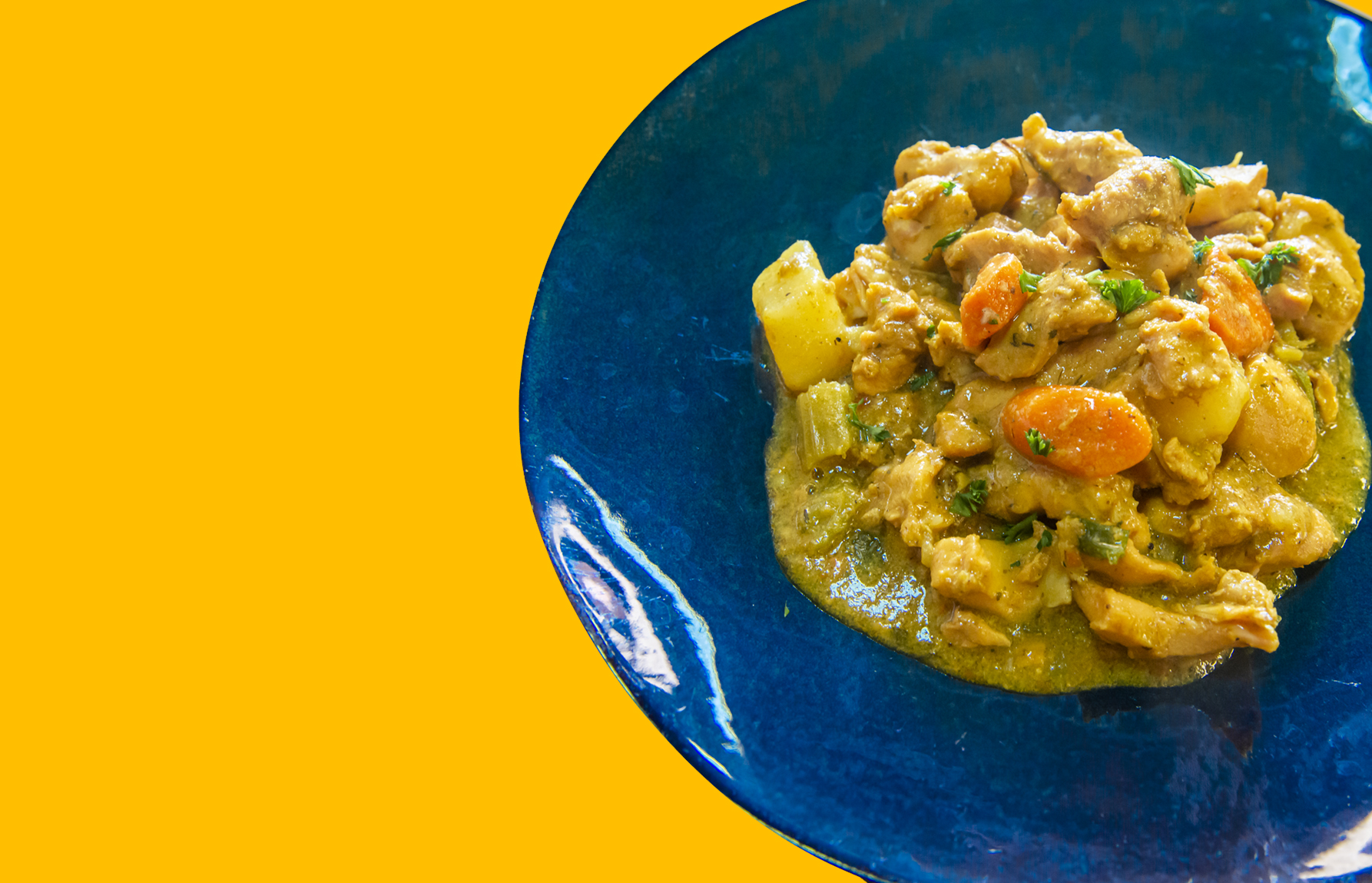
That is a major advantage for Denver gatherings, where logistics can be unpredictable. Traffic can stretch delivery windows. Weather can change plans. Guests rarely arrive in one clean wave. With Jamaican food, a slight delay does not ruin the meal. A tray of curry goat or brown stew chicken does not collapse if it sits for fifteen extra minutes. Compare that with fries, nachos, or delicate fried seafood, and the advantage becomes obvious.
There is also the issue of menu range. Jamaican restaurants often offer a better spread for mixed groups than people expect. You can cover rich braised meats, grilled chicken, seafood, vegetarian sides, starches, and handheld snacks without ordering from three different places. For hosts, that means less complexity and fewer opportunities for something to go wrong.
Another practical strength is portion flexibility. Jamaican meals are naturally built around shareable formats. Large trays of protein with rice, cabbage, and sides feel complete without being rigid. People can build plates according to appetite. Someone who wants a full, hearty dinner can go heavy on oxtail and rice. Someone else can take smaller portions, snack on patties, and come back later for plantains.
What “best” really means for a crowd
For a date night or solo lunch, “best” might mean the deepest jerk flavor or the most tender curry goat in town. For a group, the definition gets broader. The best Jamaican food for gatherings in Denver usually checks several boxes at once.
First, the menu needs enough breadth to serve different eaters without becoming confusing. A short menu can be excellent for individual dining, but a group order benefits from a few clear lanes: a chicken option, a beef or goat option, a vegetarian side or entrée, starches, and at least one low-risk item for less adventurous guests.
Second, the kitchen needs consistency. For group orders, consistency matters more than brilliance on a single plate. If ten meals arrive and two look under-portioned or one side is missing, the host feels it immediately. Restaurants that routinely handle larger orders tend to package more thoughtfully and pace production more reliably.
Third, the food needs to scale. Some dishes are fantastic in single servings and awkward in tray form. Others become even more useful when ordered for a crowd. Rice and peas, steamed cabbage, fried plantains, jerk chicken, curried dishes, and stewed meats all scale well. Delicate presentations, highly customized plates, and items that rely on crispness often do not.
Finally, the best option depends on the gathering itself. A backyard birthday wants something different from an office lunch. A baby shower, graduation party, holiday event, or rehearsal dinner all create different expectations around heat level, presentation, and portioning.
The dishes that earn their place at a large table
If you have hosted enough events, you start to recognize which foods vanish first and which ones linger. Jamaican menus have several reliable stars for group dining, and they tend to succeed for specific reasons rather than hype.
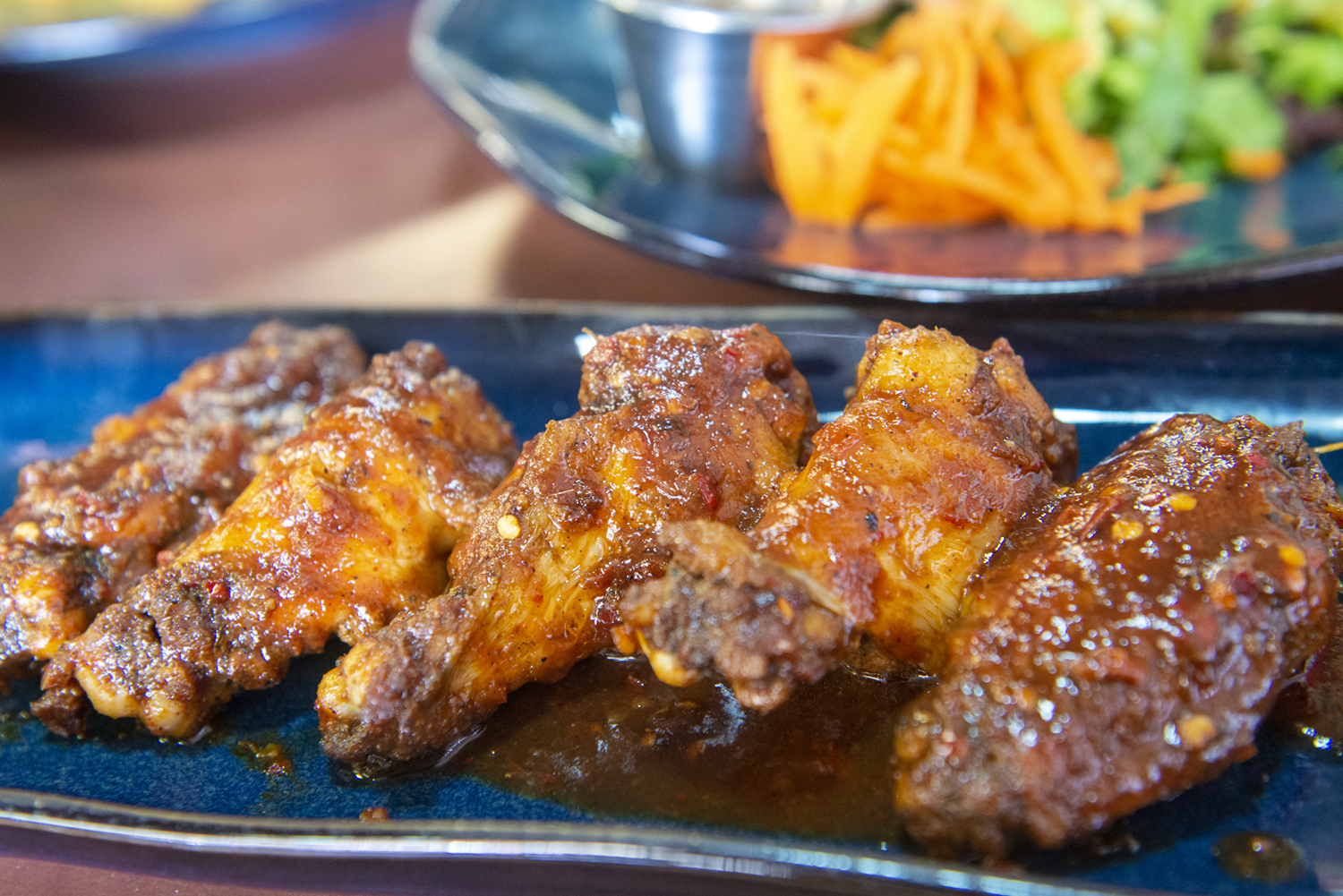
Jerk chicken is often the anchor. Properly done, it brings smoke, spice, sweetness, and enough familiarity to reassure cautious eaters. For groups, it works best when ordered with a clear understanding of heat level. Some kitchens make jerk accessible, with warmth more than fire. Others lean into Scotch bonnet intensity. That difference matters when children, office teams, or spice-sensitive guests are involved.
Oxtail is usually the premium favorite, and for good reason. It feels special. The meat is rich, tender, and satisfying in a way that makes a gathering feel elevated. But it is not always the best main event for every group. Oxtail is expensive, portions can vary, and the dish is better as part of a spread than as the only protein unless the budget is generous.
Curry goat is a strong middle path. It has depth and personality, but it also tends to please people who already love stews, braised meats, or robust curries from other traditions. For adult gatherings, it often gets better reception than hosts expect, especially when paired with plenty of rice and something cooling like cabbage.
Brown stew chicken is the quiet overachiever. It is not as trendy as jerk and not as luxurious as oxtail, but it can be the most dependable tray on the table. The sauce helps the dish stay moist. The flavor is broad and savory rather than aggressively spicy. If you are feeding a mixed-age group, brown stew chicken often performs better than the more attention-grabbing options.
Then there are the sides, which deserve more respect than they usually get. Plantains are close to universal. Rice and peas are the backbone. Steamed cabbage adds much-needed freshness and cuts through richer meats. Mac and cheese, where offered, tends to disappear quickly because it bridges familiar comfort with Caribbean seasoning.
Patties deserve their own category. For groups, they solve several hosting problems at once. They work as appetizers, backup food for late arrivals, and easy take-home items for guests who want a little something at the end of the night. Beef patties are usually the safest bet, but chicken and vegetable patties can help round out the spread.
Building an order that actually satisfies a crowd
One common mistake with group orders is overcommitting to a single headline dish. Another is underestimating how much variety matters, even for a relatively small gathering. People do not need ten entrées. They do need options that make the meal feel intentional.
A useful rule is to think in terms of contrast. If one protein is spicy and grilled, let another be saucy and mild. If one side is rich, add another that feels lighter. If you are ordering for twenty people, you do not need twenty unique meals. You need a table that gives each guest two or three paths to a satisfying plate.
For most gatherings, the strongest balance looks something like this:
- one signature protein, often jerk chicken
- one slow-cooked braised option, such as curry goat or brown stew chicken
- rice and peas as the core starch
- at least one vegetable side, usually cabbage
- a tray or two of patties or plantains for flexibility
That framework works because it respects both flavor and logistics. Guests can mix and match. Latecomers still get a full plate. Children can stay with rice, chicken, and plantains. More adventurous eaters can lean into the goat or hotter jerk pieces.
Portion planning takes a little judgment. Group appetites in Denver can swing wide depending on the event. A lunchtime staff meeting usually runs lighter than an evening birthday or post-hike celebration. If alcohol is involved, people often eat more than hosts expect, especially with savory, spicy food. A tray that seems generous on paper can disappear quickly once guests go back for a second helping of oxtail or jerk dark meat.
Denver-specific realities that affect the order
Denver is not Kingston, and it is not Brooklyn, Miami, or Toronto either. The local dining environment shapes what “best for groups” means here.
One factor is geography. If your group is spread across neighborhoods, delivery distance can affect quality more than the menu itself. Jamaican food is resilient, but long drives still matter, especially for fried appetizers and temperature-sensitive sides. A very good restaurant twenty-five minutes away may be less useful than a good restaurant closer to your event space if service timing is critical.
Altitude and climate play a role in hosting too. Dry air can make buffet setups feel less forgiving over time. Saucy and braised dishes handle this well. Drier grilled items need support, either through sauce on the side or by being served promptly. If you are planning an outdoor event in cooler weather, the dishes that hold warmth naturally will serve you better than ones that depend on a just-off-the-grill texture.
Denver groups also tend to be mixed in taste and dietary preference. Workplaces, neighborhood gatherings, and extended families often include vegetarians, gluten-conscious guests, and at least a few people who want spice but not pain. That means communication with the restaurant matters. A host who simply clicks “extra spicy” without context may create more problems than excitement.
Budget is another practical issue. Jamaican food can be cost-effective for groups, but not every dish scales the same way. Oxtail can push totals up quickly. Patties, rice, cabbage, and chicken usually stretch farther. If you need to impress without overspending, it is often better to order one premium tray and support it with reliable, hearty staples than to build the entire meal around the most expensive item.
The difference between catering and a large takeout order
This distinction gets overlooked all the time. A large takeout order and a catered event can look similar from the guest side, but they are handled differently behind the scenes.
A large takeout order usually means standard menu items packed in larger quantities. It is ideal for casual birthdays, house gatherings, and team lunches where setup is simple. You pick up or receive trays, set them out, and let people serve themselves. The value is often better, and the process is straightforward.
Catering involves more coordination. You may get custom tray sizing, serving utensils, labels, setup support, or menu planning help. For weddings, milestone birthdays, and larger corporate events, that extra structure can be worth paying for. Not because the food changes dramatically, but because the event does.
If you are deciding between the two, the key question is not just guest count. It is complexity. Twenty-five people in a backyard may need only a takeout order. Fifteen executives with dietary restrictions and a strict lunch window may need full catering attention.
Before placing a larger order, ask a few direct questions:
- how far in advance the kitchen wants notice
- whether tray sizes and serving counts are standardized or estimated
- how spice levels are handled in group orders
- which dishes travel best for your timeline
- what is included, from utensils to labels to sauces
Those answers tell you a lot about whether a restaurant is set up for gatherings or merely willing to accept a big ticket.
Matching the menu to the occasion
Not every group event wants the same expression of Jamaican food. A smart host adjusts.
For office lunches, reliability and broad appeal matter most. Brown stew chicken, jerk chicken with moderate heat, rice and peas, cabbage, and patties usually create the smoothest experience. People can eat quickly, portions are easy to manage, and the meal feels more memorable than standard sandwich catering without becoming polarizing.
For family celebrations, you can lean deeper into the menu. This is where curry goat, oxtail, escovitch fish if available, and richer side combinations make sense. Families tend to appreciate abundance, and they are more likely to linger long enough to enjoy a meal that unfolds over conversation.
For game days or casual parties, handhelds and buffet flexibility win. Patties, jerk wings where offered, plantains, and tray-based mains keep people moving. You want foods that guests can revisit between innings, quarters, or card rounds.
For milestone dinners or more formal gatherings, presentation becomes more important. The best Jamaican food in Denver for these occasions is often the place that can package neatly, separate sauces thoughtfully, and help shape a menu that looks generous rather than improvised. That does not mean the food has to become upscale. It means the details need to feel controlled.
Common mistakes hosts make with Jamaican food
The most frequent mistake is under-ordering sides. People fixate on the proteins, especially jerk and oxtail, then realize halfway through the event that the rice went first and the table feels picked over. In group dining, the starches and vegetables carry the meal. Order enough of them and the whole spread feels abundant.
Another mistake is misunderstanding spice. “Jerk” does not mean one universal heat level. One kitchen’s medium can be another guest’s limit. If the group includes children, older relatives, or coworkers with conservative palates, ask for a realistic description instead of assuming.
There is also a tendency to order too many heavy dishes without contrast. Oxtail, curry goat, mac and cheese, and fried items all sound great, and they are, but a table built only around rich foods can feel tiring after a few bites. Cabbage, slaw if available, or fruit-based accompaniments help keep the meal lively.
Pickup timing can trip people up too. Hosts sometimes schedule delivery exactly at start time, which sounds efficient and often backfires. Build in a cushion. You want food there before guests start circling, not while they are already asking what time dinner is.
How to tell if a restaurant is truly group-friendly
A restaurant does not need a massive dining room to handle a strong group order. Some of the best operations for gatherings are small kitchens that know their lane and execute it cleanly. What you are looking for is not size. It is fluency.
When you call, pay attention to how the staff answers practical questions. Do they know tray sizes without hesitation? Can they steer you away from items that do not travel well? Do they understand the difference between feeding twelve and feeding thirty? A place that regularly serves groups usually sounds calm and specific.
Look for signs of menu discipline as well. Group-friendly restaurants often have clear best-sellers, package combinations sensibly, and avoid making promises that feel too broad. If https://josuerexb848.ironwoodscope.com/posts/jamaican-food-in-denver-the-best-jerk-dishes-in-town everything is available in any quantity with no advance notice, be cautious. Real kitchens have constraints, and honest ones will tell you what they are.
Reviews can help, but they are less useful than people think for large orders. A glowing review about a solo lunch says little about event execution. What matters more is whether the restaurant has a pattern of serving offices, parties, or catered functions successfully.
The real appeal of Jamaican food at a gathering
Beyond logistics and menu planning, Jamaican food changes the mood of a room. It invites people to serve themselves generously. It sparks conversation because the aromas are unmistakable. It gives hosts something more distinctive than the usual catered spread without requiring guests to decode an unfamiliar dining format.
That balance is rare. Some cuisines are exciting but hard to manage at scale. Others are practical but forgettable. Jamaican food sits in a sweet spot. It is vibrant, comforting, and structured for sharing. When done well, it feels generous rather than trendy.
For Denver hosts, that is the real opportunity. The best jamaican food denver has to offer for groups is not simply food that tastes good in a takeout box. It is food that can carry an event, absorb small imperfections, please a broad mix of people, and still leave a memorable impression.
If you are planning your next office lunch, family birthday, holiday get-together, or neighborhood gathering, Jamaican food is one of the smartest choices available. Order with range, respect spice, give the sides room to do their job, and choose a restaurant that understands volume as well as flavor. Do that, and the meal will feel easy in the best way, abundant, warm, and worth talking about long after the trays are empty.
Reggae Pot Jamaican Grill
Address: 2243 S Monaco St Pkwy #104, Denver, CO 80222
Phone number: +17204102956
FAQ About Jamaican Food Denver
What is typical Jamaican food?
Typical Jamaican food features bold, vibrant flavors created by blending African, Taino, European, and Asian influences.
What is a famous Jamaican dish?
Ackee and saltfish is Jamaica's national dish, made by sautéing the soft local ackee fruit with salted cod, onions, tomatoes, and spicy Scotch bonnet peppers.
What food is most popular in Jamaica?
The most popular and famous food in Jamaica is Jerk Chicken, celebrated worldwide for its smoky, spicy flavor.