Best Drunken Noodles Near Me for a Cozy Dinner
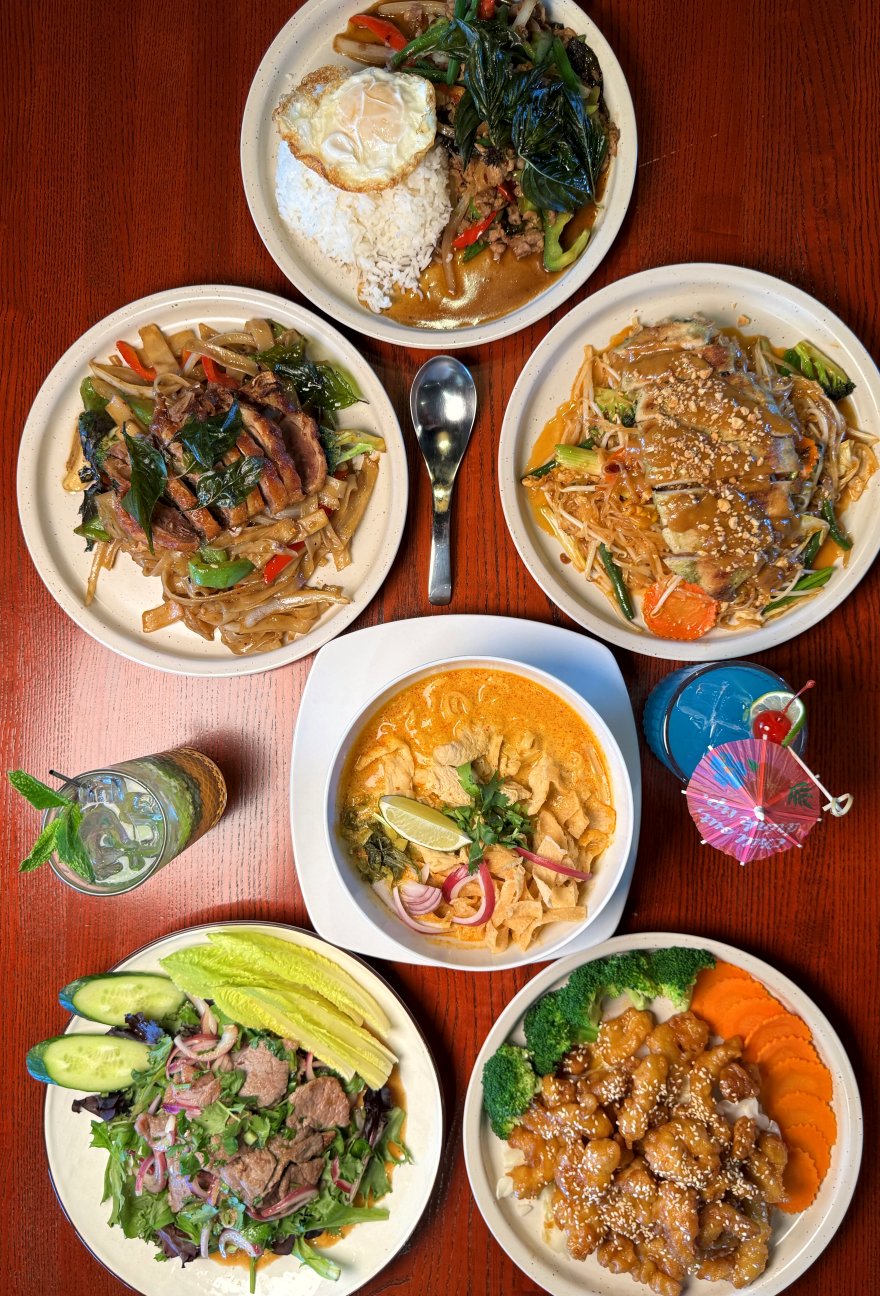
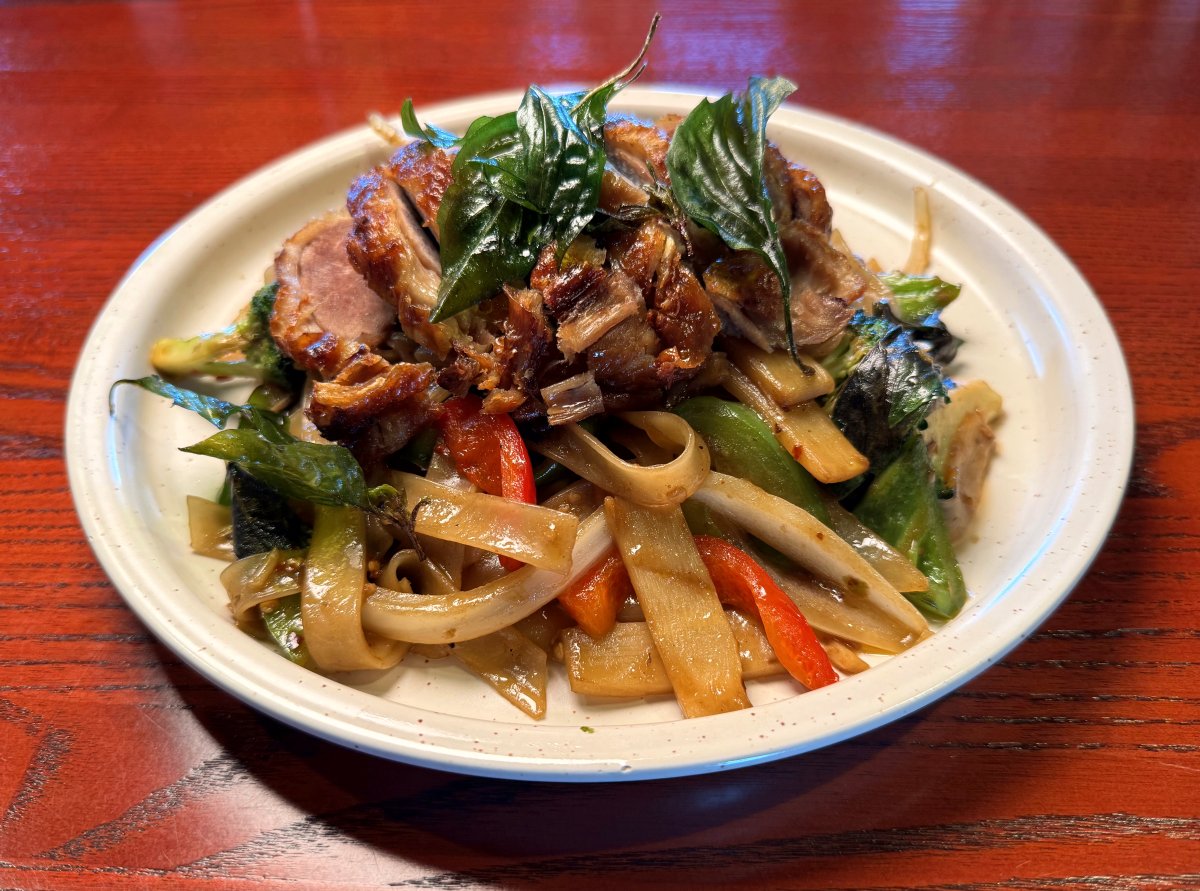
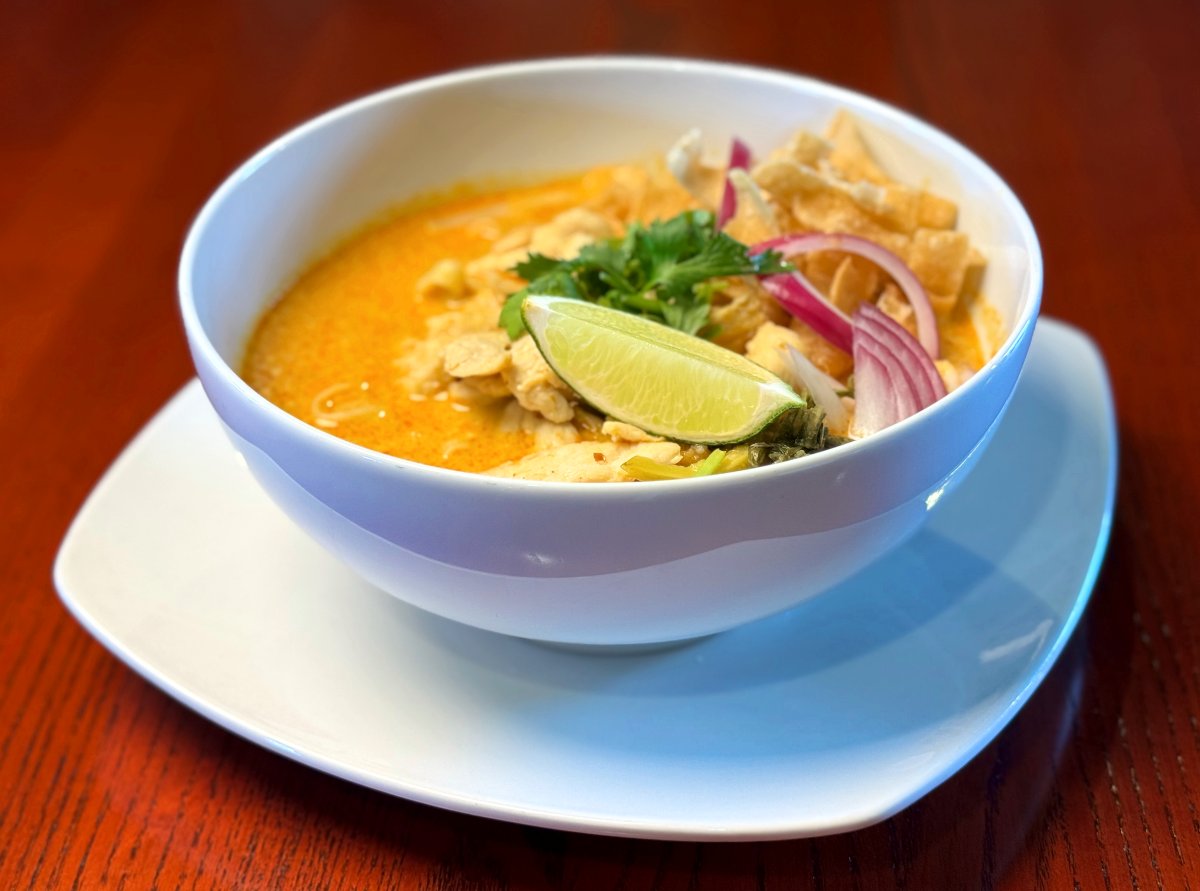
There are dinners you plan a week ahead, and then there are dinners you crave at 6:40 on a rainy evening when the light is fading, your patience is gone, and only one dish sounds right. For a lot of people, that dish is drunken noodles. Not delicate. Not fussy. Just broad rice noodles slicked with sauce, sweet basil, heat, char, and enough savory depth to feel like a proper reward at the end of the day.
If you have ever typed “Drunken Noodles Near Me” into your phone while standing in a parking lot or sitting on the couch under a blanket, you already know the problem is not whether you can find them. The problem is finding the right version for the kind of dinner you want. Some places make a fiery, smoky plate that wakes you up. Others lean sweeter, softer, and more comforting. Some kitchen teams nail the wok hei, that faintly blistered, almost toasted flavor that makes a noodle dish taste alive. Others send out something flat, oily, or clumped together from steam and delay.
A cozy dinner deserves better than random luck.
Drunken noodle, often listed on menus as pad kee mao, is one of those dishes that reveals a kitchen’s habits very quickly. You can tell who cooks to order. You can tell who knows how to balance heat against sugar and soy. You can tell who respects noodle texture. It is also one of the easiest dishes to misjudge when ordering takeout, because what tastes thrilling straight out of the wok can turn heavy after fifteen minutes in a container. That is why finding the best drunken noodles near you is less about chasing hype and more about knowing what to look for.
What makes drunken noodles such a strong cozy-dinner choice
Cozy food does not always mean mild food. It means satisfying, generous, and emotionally reliable. Drunken noodle fits that brief unusually well because it delivers comfort on several levels at once. The noodles are soft and chewy. The sauce is usually dark, glossy, and a little sticky. The vegetables, often bell pepper, onion, and sometimes baby corn or broccoli, add freshness without making the dish feel too healthy to count as comfort food. Then there is the basil, which cuts through the richness and gives the whole plate a warm, peppery aroma.
A good drunken noodle also lands in a sweet spot between a snack and a feast. One standard takeout container can be enough for a hungry adult, but many generous Thai restaurants portion it so that you can eat three quarters for dinner and still have a small midnight forkful left in the fridge. That matters more than people admit. A cozy dinner is partly about abundance, not extravagance, but the comfort of knowing the meal is substantial.
There is also the matter of customization. Drunken noodle is forgiving. Chicken works. Shrimp works. Beef can be excellent if the slices stay tender. Tofu can be great when the kitchen gives it color and seasoning instead of treating it like an obligation. Even a vegetable-only version can feel complete if the sauce is balanced and the wok is hot enough. For diners who want medium spice and diners who want something that clears the sinuses, the same base dish can usually handle both.
The signs of a restaurant that gets it right
When I am searching for a new spot, I pay less attention to dramatic menu descriptions and more attention to patterns. Menus tend to overpromise. Actual cooking habits do not. A restaurant that makes strong drunken noodles usually shows a few clues before you place the order.
First, the noodle section has confidence. If a menu includes pad see ew, pad thai, and pad kee mao, and none of them read like afterthoughts, that is encouraging. Kitchens that take noodle dishes seriously usually distinguish them with ingredients and spice notes instead of repeating the same description three times.
Second, the protein options are handled thoughtfully. If the menu offers crispy pork belly, duck, or well-seasoned tofu rather than only generic chicken and beef, it often signals a kitchen willing to put personality into the dish. That does not guarantee greatness, but it helps.
Third, reviews mention texture. People who rave about “springy noodles,” “charred edges,” or “perfect spice” are often describing a genuinely good plate. Reviews that only say “huge portions” are useful if you are hungry, but less useful if you care about quality. Big portions can hide mediocre cooking.
Fourth, photos matter, though not in the way many people think. The best drunken noodle rarely looks neat. It should look glossy, irregular, and a little wild. A plate that appears too pale, too dry, or suspiciously tidy can be a warning sign. Broad noodles should look coated, not drowned.
Finally, consider the restaurant’s pace. A busy Thai kitchen during dinner service often turns out better stir-fried noodles than a nearly empty one, provided the operation is not overwhelmed. Wok cooking benefits from rhythm. Ingredients move quickly, pans stay hot, and the staff settles into a groove. You do not want chaos, but a little momentum helps.
Why location alone does not decide the best answer
The phrase “near me” feels simple, but it hides trade-offs. A place that is six minutes away may seem like the obvious choice, yet a restaurant fifteen minutes away might deliver a much better dinner if it packages the noodles properly and cooks them with more care. Drunken noodles are especially sensitive to the time between pan and plate.
For dine-in, distance is mostly an issue of convenience. For takeout or delivery, distance affects texture. Rice noodles absorb sauce quickly, then continue softening in the container. Vegetables lose crispness. Basil wilts further. If a restaurant is twenty-five minutes away and the driver makes two stops first, the difference can be dramatic.
That does not mean you should only choose the closest place. It means you should rank restaurants differently depending on how you plan to eat. The best dine-in drunken noodle in your area may not be the best delivery option. Some dishes travel surprisingly well if the kitchen keeps the sauce slightly tighter and avoids overloading the container. Others are perfect for ten minutes and then start fading fast.
I have had excellent pad kee mao at a neighborhood spot where the tableware was mismatched and the dining room lighting was not flattering at all, but the wok work was superb and the noodles had just enough blistered edge to make each bite interesting. I have also had expensive, beautifully plated versions in trendier rooms that looked better than they tasted. For a cozy dinner, you usually want flavor and reliability over polish.
What to look for on the first bite
The first bite tells you nearly everything. Not all at once, but enough.
Start with the noodles themselves. They should separate without fighting you. A little clumping can happen in takeout, especially after a short ride home, but a good dish loosens easily. If it has turned into a dense brick, that usually means too much moisture trapped in the container or too little care in the pan.
Then pay attention to the sauce. A strong drunken noodle should taste layered, not merely salty. You want savory depth first, then a little sweetness, then heat that builds rather than punches immediately and disappears. The best versions let basil and chili share the stage. If all you taste is sugar, the dish becomes heavy fast. If all you taste is soy and salt, it feels blunt.
Vegetables should still have character. Onion should soften but not vanish. Bell pepper should bend, not collapse. Protein should taste integrated into the dish rather than cooked separately and tossed in at the end. Shrimp should remain snappy. Chicken should not be dry around the edges. Tofu should not taste like an afterthought.
There is also aroma, which many people overlook. When you open the container or the plate lands on the table, the scent should feel vivid. Basil, garlic, and chili should rise first. If the dish smells mostly of steam, oil, or nothing at all, it is rarely a great sign.
Heat level is not a personality test
People can be strangely performative about spice. Drunken noodle does not need to be brutally hot to be good. In fact, some of the best versions I have eaten sat at what most menus would call medium, enough warmth to keep the dish lively, not so much that every other flavor vanished.
If you are ordering from a restaurant for the first time, conservative choices often pay off. Ask for medium if their spice scale is unfamiliar. A level three at one place might be gentler than a level one somewhere else, while another kitchen may treat “Thai hot” as a dare rather than a request. You can always add chili at home. It is much harder to rescue a dish that has crossed from exciting to punishing.
This matters for a cozy dinner because comfort and pain are not the same thing. You want warmth, maybe a glow on the lips, maybe the satisfying little pause that sends you reaching for water and then right back for another bite. You do not want to spend the evening sweating through the meal while the noodles cool off.
Dine-in versus delivery, which version wins?
For this dish, dine-in has a clear advantage if the restaurant cooks well. The broad noodles stay glossy instead of steaming themselves soft in a closed box. The vegetables keep more structure. The aroma hits properly. You can also ask for adjustments on the spot if something is off.
That said, cozy dinner often means staying home, putting on comfortable clothes, and eating from a bowl while a movie plays in the background. Delivery can still work beautifully if you choose a place that respects packaging. The best takeout versions usually arrive in sturdy containers that do not collapse under heat, with enough headspace that the noodles are not crushed into a compact mass.
Here is the basic distinction I use when deciding where to order from:
- Choose dine-in when you care most about texture, smoky wok flavor, and peak freshness.
- Choose takeout from a nearby restaurant when you want comfort fast and know the kitchen handles noodles well.
- Choose delivery only if the travel time is reasonable and reviews consistently mention the dish arriving hot and intact.
- Avoid ordering during the most chaotic rush if the restaurant already struggles with timing.
- Reheat leftovers in a hot pan, not a microwave, if you want a second serving that still tastes like food instead of compromise.
That last point sounds small, but it changes the whole next-day experience. A hot skillet with a teaspoon of water revives noodles far better than microwaving them into softness.
How to search “Drunken Noodles Near Me” without wasting an evening
Search engines are good at showing what is close, popular, and heavily reviewed. They are less good at telling you what is right for your dinner tonight. A practical search means looking beyond star ratings.
Start with recent reviews, ideally from the last two to three months. Restaurants change cooks, get busier, slip in consistency, or improve dramatically. A place that earned praise two years ago may not be cooking at the same level now. Then scan specifically for mentions of drunken noodle, not just generic comments about Thai food. Plenty of restaurants make a nice curry and weak noodles, or the reverse.
If menu photos are available, compare them. You are looking for dark, glossy noodles with visible basil and enough vegetable contrast to suggest freshness. If every photo looks pale and wet, keep moving. If the dish appears charred in a good way, with slight caramelized spots and loosely folded noodles, that is promising.
It also helps to know your neighborhood patterns. In many cities and suburbs, the best Thai food is not always in the newest retail cluster or the prettiest block. Sometimes it is in an older strip mall between a dry cleaner and a tax office, with parking that is mildly annoying and food that is absolutely worth it. Restaurants built on regular local traffic often care more about repeat orders than spectacle. For comfort food, that is often exactly where quality lives.
The protein question, what works best for a cozy dinner?
Chicken is the default for a reason. It absorbs sauce well, stays affordable, and usually gives the most balanced experience. If you are ordering from a restaurant you do not know, chicken is often the safest baseline. It tells you how the kitchen handles seasoning and texture without introducing too many variables.
Beef can be excellent, but it depends on cut and timing. When cooked properly, it adds richness that suits a colder evening. When overcooked, it turns the dish chewy and distracts from the noodles. Shrimp brings sweetness and a lighter feel, though it can overcook quickly in a busy kitchen. Tofu appeals to people who want a plant-based dinner, but it needs crisp edges or a firm seasoning hand to avoid getting lost.
There are occasional standouts that deserve special mention. Crispy pork, if offered, can be extraordinary because the fat and crunch play against the chewy noodles. Duck can be luxurious, though sometimes the dish becomes more about the duck than the noodle itself. Those versions are worth trying once you trust the restaurant.
For a true cozy dinner, I often recommend either chicken for reliability or crispy tofu from a place known to do tofu well. Both reheat better than delicate seafood and hold up if the meal takes a few minutes to get from bag to table.
Pairing matters more than people think
Drunken noodle can easily be a meal on its own, but if you are trying to create a genuinely cozy dinner rather than simply fix hunger, pairings make the experience feel complete. The trick is restraint. This is a rich, assertive dish, so side orders should support it rather than compete.
A cool Thai iced tea can work if you enjoy sweetness, but with sweeter noodle sauces it may tip the whole meal too far in that direction. Sparkling water with lime is often the better call. If you want an appetizer, fresh rolls or a light papaya salad keep the meal balanced. Fried appetizers can be fun, but they can also make dinner feel heavier than intended, https://sethpolc316.raidersfanteamshop.com/drunken-noodles-near-me-local-favorites-you-need-to-try especially if the noodles are already oil-forward.
The same goes for dessert. Sticky rice and mango is wonderful in season, but on a weeknight you may be happier stopping at the noodles and a hot cup of tea later. A cozy dinner is not about maximum volume. It is about getting the mood right.
Common disappointments, and how to avoid them
Most bad drunken noodle experiences fall into a few predictable categories. The first is oversweet sauce. This usually happens at restaurants that are trying to make the dish broadly appealing. Sweetness is not the enemy, but it should support the savory and aromatic parts of the dish, not dominate them.
The second is poor noodle texture. This can come from overcooking, bad timing, or simply letting the dish sit too long before pickup. If you notice a place consistently struggles with this in reviews, believe the pattern.
The third is timid basil. Without enough basil, the dish loses its signature lift and starts tasting like a generic stir fry. Fresh basil is not a garnish here. It is structural.
The fourth is heat without depth. A plate loaded with raw chili or aggressive spice paste can taste loud rather than complex. Good drunken noodle should be energetic, not chaotic.
When a restaurant consistently avoids those pitfalls, it becomes a reliable answer to “Drunken Noodles Near Me,” not just a convenient one.
A short checklist for choosing your go-to spot
Use this when you are deciding between two or three nearby restaurants and do not want to gamble.
- Read recent reviews that mention drunken noodle specifically.
- Check whether the dish looks glossy and dark rather than pale or watery in photos.
- Favor restaurants within a reasonable delivery radius if you are ordering in.
- Start with medium spice at a new place unless you know their scale.
- Notice whether the menu suggests a kitchen that takes noodle dishes seriously.
It is a simple filter, but it saves a surprising number of mediocre dinners.
When the best choice is the one that feels personal
The best drunken noodle is not always the one a citywide ranking would choose. Sometimes it is the place that remembers your spice preference, gets the pickup timing right, and sends out noodles that hit exactly the way you want on a Thursday night. Food criticism can overcomplicate this. Comfort has a personal dimension that star ratings cannot fully capture.
One person wants dramatic heat and lots of chili. Another wants softer noodles, extra basil, and tofu. Someone else wants a version with enough vegetables to feel balanced after a long day. The right restaurant is the one that consistently meets your version of comfort. That is why a perfect answer to “Drunken Noodles Near Me” often comes from trial, comparison, and memory rather than from any single review platform.
Once you find that place, the whole evening gets easier. You know what to order. You know how long pickup takes. You know whether to eat there while the noodles are at their peak or bring them home and settle in. That kind of reliability has value. It turns dinner from a decision into a small ritual.
And that, really, is why drunken noodle remains such a favorite for a cozy dinner. When it is done well, it feels both vivid and familiar. The heat wakes you up, the noodles settle you down, and the whole dish manages to be exciting without asking too much from you. On the right night, from the right kitchen, a good Drunken Noodle does exactly what comfort food should do. It meets you where you are and improves the evening from the first bite.
Nakhon Luang Thai Kitchen
Address: 805 Village Center Dr, Colorado Springs, CO 80919
Phone number: +17195315175
FAQ About Drunken Noodles Near Me
What makes it drunken noodles?
Drunken noodles, or Pad Kee Mao, get their name from the Thai word khi mao (meaning "drunkard"). They contain no alcohol. The name comes from the idea that the dish is a popular late-night meal to cure a hangover or a great food to eat with a cold beer.
What is the difference between pad see ew and drunken noodles?
While both Pad See Ew and Drunken Noodles use the same wide rice noodles, Pad See Ew is a mild, sweet-savory dish made with dark soy sauce and Chinese broccoli, whereas Drunken Noodles (Pad Kee Mao) are fiery, garlicky, and herbaceous with fresh chilies and Thai basil.
What are traditional drunken noodles?
Traditional drunken noodles, known as Pad Kee Mao in Thai, are a fiery, savory street food stir-fry made with wide flat rice noodles, fresh garlic, lots of hot chilies, meat or tofu, and fragrant holy basil. Despite the name, they contain no alcohol; the dish is traditionally eaten late at night or as a hangover cure because the intense spice helps clear the head.