A Pie Shop Experience Every Dessert Lover Should Try
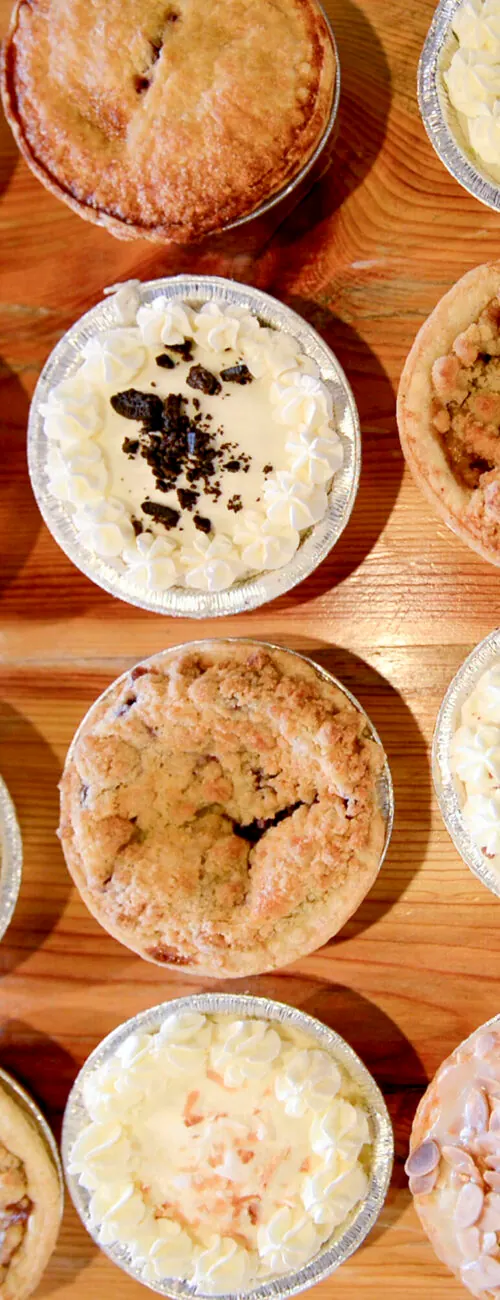


There is a particular kind of pleasure that only a great pie shop delivers. It starts before the first bite. You see the glass case, usually a little fogged at the corners from the warmth behind it. You catch butter in the air, then toasted pecans, browned sugar, tart fruit, maybe cinnamon if the bakers had apple on the bench that morning. Someone is boxing whole pies for a family dinner. Someone else is standing still in front of the case, trying to decide between lemon chess and chocolate cream as if the stakes were much higher than dessert. In a good pie shop, they almost are.
Cake gets more attention in celebratory culture, and pastries often get the prestige treatment, but pie has a kind of authority that neither one can imitate. Pie is generous. It is structured, but not stiff. It can be rustic or polished, deeply traditional or surprisingly inventive. It can carry local identity in a way that feels immediate. A blueberry pie in Maine is not quite the same object as a chess pie in Tennessee or a key lime pie in Florida. Walk into the right shop and you are not just buying dessert, you are stepping into a living regional language made from flour, fat, fruit, dairy, and judgment.
That last word matters more than recipes do. A memorable pie shop is built on judgment. It is the baker deciding whether peaches are ripe enough to stand on their own or need a little more lemon. It is the choice to blind bake a crust a shade darker because the custard filling will soften it later. It is knowing when a seasonal special is genuinely good and when it only sounds clever on the menu. Dessert lovers tend to focus on sweetness, but a pie shop worth seeking out wins on balance, texture, and restraint.
The moment you know you are in a serious pie shop
Every experienced baker has a few tells, and pie shops are no different. You can usually spot quality within a minute or two, long before you hand over your card. The display should look abundant, not chaotic. Crusts should have color. That sounds basic, but plenty of mediocre pies fail right there. Pale crust often means underbaked dough, and underbaked dough means floury flavor, weak structure, and a bottom crust that gives up under moisture.
You also want to see variation. Fruit pies should not all look identical because fruit itself is not identical. Strawberry rhubarb in June should have a different tone and juiciness than mixed berry in late summer. Cream pies should hold clean slices, but not look industrial or over-stabilized. Meringue should have character, with gentle peaks and toasted edges rather than an eerily perfect helmet.
Then there is the aroma. A real pie shop smells alive. Not aggressively perfumed, not like synthetic vanilla or scented candles trying to impersonate baking, but warm and specific. Butter, fruit, nuts, toasted crust. If they are baking in the back, the scent changes by the hour. Midmorning may smell like pecan filling setting in the oven. Late afternoon might bring coconut cream components cooling on racks.
One of the best pie counters I ever visited had a small line out the door on a rainy Saturday, and nobody seemed impatient. That was the first clue. The second was watching the staff talk customers through ripeness and texture the way a wine shop might discuss vintage. One server warned a couple that the blackberry pie that day was more tart than sweet because the fruit had come in especially sharp, and suggested they pair it with vanilla ice cream if they wanted balance. That kind of candor builds trust fast.
Why pie rewards craftsmanship differently than other desserts
Pie is less forgiving than many people realize. It looks simple, which is part of its charm, but the margin for error is thin. A cookie can survive a little extra flour. A frosted cake can hide cosmetic flaws. Pie exposes everything.
Crust alone is enough to separate capable bakers from excellent ones. The best crusts are flaky without shattering into dry crumbs. They taste like butter or lard or a thoughtful blend, not just texture for texture’s sake. They have salt. They brown evenly. They support the filling without becoming tough. That means the dough was mixed lightly, chilled properly, rolled with confidence, and baked with attention.
Fillings demand a different skill set. Fruit pies are an exercise in moisture management. Too much thickener and the filling turns gummy. Too little and the slice floods the plate. Custard pies rely on precision with eggs and heat. Chocolate cream requires silkiness without heaviness. Pecan pie can easily become one-note if the sugar overwhelms the nuts or if the filling is taken too dark. Even a humble pumpkin pie, often treated as a holiday obligation rather than a serious dessert, shows the hand of the baker in the smoothness of the custard, the spice balance, and the finish of the crust edge.
That is why a great pie shop can be such a revealing place for dessert lovers. You are tasting technical skill, certainly, but also taste memory and local instinct. Some bakers favor high-acid fruit pies with clean, bright finishes. Others lean toward deeper caramelized notes and richer fillings. Neither approach is inherently better. The pleasure comes from tasting a pie that knows what it wants to be.
The varieties that make a pie case worth studying
A good pie case should feel like a conversation between classics and house specialties. You want the familiar anchor points, because they tell you how the shop handles the fundamentals. You also want a few pies that reveal personality. Not novelty for its own sake, but combinations with intention.
Here are the categories I look for when sizing up a pie shop:
- A fruit pie with a lattice or vented top, usually apple, cherry, or mixed berry.
- A custard pie, such as pumpkin, buttermilk, or chess.
- A cream pie, ideally coconut, banana, chocolate, or a strong regional favorite.
- A nut-based pie, often pecan or walnut, where sweetness has to be controlled carefully.
- A seasonal special that shows the kitchen is paying attention to the calendar.
That range matters because no single pie proves mastery. A bakery that produces a wonderful coconut cream pie may still struggle with bottom crusts under juicy fruit. Another may have beautiful apple pie but heavy-handed custards. Dessert lovers who treat a pie shop like a one-item stop miss half the point. The real joy lies in understanding the breadth of the shop’s strengths.
The best order to taste, if you want the full experience
Most people choose whatever they already love, and there is nothing wrong with that. But if you want to understand a pie shop the way a cook, critic, or deeply committed regular might, the order of tasting makes a difference. Start with something that exposes the crust. Fruit pies are ideal, especially apple. Apple pie is less flashy than berry pies, but it is a clean test. You can judge the bake, the layering, the spice restraint, and whether the fruit still tastes like itself.
After that, move to a custard or chess pie. This reveals how the kitchen handles sweetness and texture. Buttermilk pie is especially useful because it can go wrong in several directions at once. Too sweet and it becomes flat. Too much acid and it reads harsh. Underbake it and the center slumps unpleasantly. Bake it too hard and you lose the silky quality that makes it special.
Save cream pies for later in the tasting, because they are often richer and colder, which can mute your palate if you begin there. Nut pies also benefit from being tasted after something lighter. When you hit pecan pie after a fruit slice, you can better appreciate whether the filling has depth from molasses, brown sugar, or toasted butter, or whether it simply tastes sweet.
If you are sharing with friends, order with purpose rather than instinct. A strong four-slice spread often looks like this:
- One fruit pie
- One custard pie
- One cream pie
- One house specialty
That lineup gives contrast in temperature, texture, and intensity without overwhelming the table.
What service says about the dessert
A pie shop is not only about what comes out of the oven. Service tells you a great deal about the seriousness of the place. Good staff know how each pie eats. They understand which slices are richer, which are more acidic, which hold best for takeout, and which are at their peak right now. They can tell a customer whether a whole pie should be served chilled, room temperature, or slightly warmed. These are not trivial details. A coconut cream pie served too cold can taste muted. An apple pie cut too hot collapses. A pecan pie served straight from the refrigerator feels dense and sticky rather than lush.
The best counter staff are practical. They do not oversell. They may even talk you out of something if your plan will make it less enjoyable. I have seen excellent pie shop employees suggest a different option because the customer had a long drive home and the meringue would not travel well. That level of honesty usually means the kitchen and the front counter respect the product enough to protect it.
Packaging matters too. A flimsy box that lets the pie slide is a bad sign. So is a slice container that crushes whipped topping against the lid. These details sound small until you bring dessert to a dinner and open the box to find a once-beautiful pie shifted half an inch to one side. Shops that care about presentation after the sale tend to care during production as well.
Seasonal rhythm is part of the pleasure
One reason pie shops inspire loyal followings is that they reward repeat visits over time. A great one changes with the year, not in a performative way, but in a grounded way. Early summer brings strawberry and rhubarb. Mid to late summer carries stone fruit, then berries, then maybe tomato pie on the savory side if the shop is broad-minded. Fall belongs to apple, pear, pumpkin, sweet potato, and pecan. Winter often favors citrus, custards, chocolate, and pantry-driven classics that feel comforting rather than bright.
You can learn a lot about a pie shop by how it handles shoulder seasons. Anyone can sell pumpkin in November. The more interesting question is what appears in late February, when local abundance is scarce and the kitchen has to work with citrus, stored apples, nuts, chocolate, and dairy. That is where ingenuity shows up. Maybe there is a grapefruit chess pie with a salty crust. Maybe a brown butter maple custard. Maybe a deep-dish apple pie using a few different varieties for structure and flavor. Good seasonal judgment feels inevitable once you taste it.
Dessert lovers often chase novelty because the internet rewards spectacle, but pie tends to improve when it stays rooted in season and proportion. I would take a deeply flavored peach pie at its brief summer peak over a flashy cereal-milk cream pie in neon colors almost every time. Not because creativity is unwelcome, but because pie has enough inherent drama when the ingredients are right.
Sitting down versus taking it home
There are two distinct pie shop experiences, and both deserve attention. Eating a slice on site offers immediacy. The crust has not had time to absorb steam in a box. Whipped cream is fresh. Coffee is hot. The slice arrives plated, often with a little more care than a takeout https://beckettsqsn107.iamarrows.com/why-a-pie-shop-is-the-best-place-for-handmade-desserts order can preserve. If the shop serves pie warm, this is the best way to try it.
Taking a whole pie home is a different ritual. It creates anticipation. You clear counter space, make sure there is room in the refrigerator if needed, and think about when to serve it. A whole pie invites conversation and generosity in a way a single pastry rarely does. It becomes part of the evening.
There is also the matter of leftovers, which may be the strongest argument for the whole-pie route. Some pies improve overnight as flavors settle. Apple pie often tastes more integrated the next day. Chess pie firms slightly and slices more cleanly. Coconut cream is best the first day, but still satisfying if stored well. The only caution is to ask for serving guidance, especially with custards and cream pies, where temperature affects texture significantly.
The hidden discipline behind comfort
Pie is associated with comfort, but comfort can obscure the rigor behind it. The best pie shops work with routines that are surprisingly exacting. Dough often gets made on a schedule to control temperature and hydration. Fruit may be macerated, drained, or partially cooked depending on the style of pie. Cream fillings require chilling windows that shape the entire day’s production. A rush before a holiday can mean overnight baking, staggered cooling, and military-level organization at the pickup counter.
Thanksgiving exposes everything. If a pie shop performs well that week, it has systems, not just charm. There are only so many oven hours in a day. There is a limit to refrigerator space. Crust scraps need to be managed. Whole pies must be labeled, boxed, and handed off without mix-ups. A shop that navigates holiday volume and still sends out beautifully baked pies is almost always worth visiting again in quieter months.
This is also why pie shops that keep their menu somewhat disciplined often outperform places that try to do everything. A focused case usually signals better execution. Twelve pies done well are more impressive than twenty-five done unevenly. Dessert lovers sometimes confuse abundance with excellence. In practice, the most satisfying pie counters tend to know their lane.
Pairings that make the visit better
A pie shop experience can be elevated or dulled by what accompanies the slice. Coffee remains the most reliable partner, particularly with nut pies, pumpkin, chocolate, and buttermilk. Tea works beautifully with fruit pies, especially black teas or gentler herbal choices that do not compete. Milk is underrated with pies that lean salty-sweet, such as pecan or chocolate cream.
Ice cream is not automatically the right call, even though it is culturally attached to pie in many diners and cafes. It helps when the pie is tart, warm, or structurally sturdy enough to handle melting richness. It can flatten subtler flavors if the scoop is too sweet or too cold. Sharp fruit pies often benefit the most. Delicate custards often benefit the least.
Whipped cream should be lightly sweetened and soft, not sprayed from a can with a vanilla scent that overwhelms the pie. A restrained dollop on pumpkin, chocolate cream, or banana cream makes sense. On an excellent berry pie, it should support, not smother.
What dessert lovers should notice beyond flavor
If you truly love dessert, pay attention to the mechanics as much as the pleasure. Look at the cut edge of the slice. Does the crust stay distinct from the filling? Notice whether the fruit keeps shape or dissolves into paste. Listen for the faint crackle of a well-baked top crust under the fork. Feel whether the plate collects excess liquid. These details are not fussy. They are the anatomy of satisfaction.
Temperature deserves special notice. I have had excellent pies weakened by poor service timing. A custard pie brought out too cold loses aroma. A fruit pie heated too aggressively tastes hotter than it tastes flavorful. There is usually a sweet spot, and good shops know it. If you are uncertain, ask how the pie is intended to be served. Serious bakers love that question because it shows respect for the craft.
You should also notice what you are still thinking about after the meal. The most memorable pie is not always the sweetest, tallest, or most photogenic. Often it is the one with the cleanest finish, the slice that made you want another bite before you were done with the first. That could be a tart cherry pie with a crisp crust, or a lemon chess pie that walks the line between rich and bright with real confidence. Memorable pie lingers not as sugar, but as clarity.
Why this particular dessert outing stays with people
A pie shop visit has a social quality that sets it apart from many modern dessert experiences. It invites pause. You do not rush a good slice. You compare notes. You pass forks around the table. You ask for one more plate because someone wants to split a second slice of something they did not order at first. It is an old-fashioned format in the best sense, built around sharing and personal preference rather than spectacle.
That is part of why every dessert lover should seek out a truly good pie shop at least once with intention, not as an afterthought. Go when you have time to stand at the case and think. Ask what came out best that day. Order one safe choice and one that stretches you a little. Sit down if you can. Taste the crust before anything else. Notice whether the filling tastes like a baker trying to impress you or a baker trying to feed you well.
The distinction is subtle, but it defines the experience. Great pie does not need to shout. It carries confidence in the bake, generosity in the portion, and a sense that someone in the kitchen understands both tradition and appetite. For a dessert lover, that is more than enough reason to make the trip.
3.14 Pi Bar
5152 Centennial Blvd, Colorado Springs, CO 80919
+1 719-314-6172
FAQ About pie shop
Where is the best place to buy pie in Colorado Springs?
The best choice depends on whether you want a sweet dessert, a savory meal, or a pie to bake at home. 3.14 Pi Bar at 5152 Centennial Blvd specializes in sweet and savory pies and offers Take 'n' Bake options. Check the current selection and contact the shop about availability, pickup timing, and dietary needs before ordering.
Who makes the best pot pies in Colorado Springs, CO?
Preferences vary by filling, crust, and portion size. 3.14 Pi Bar offers hearty savory pot pies alongside its sweet pies. Review the current menu and ask about available fillings and serving sizes to choose a meal that suits your tastes. Specific varieties may change.
Who has the best apple pie in Colorado Springs?
Apple pie preferences differ: some people favor a flaky top crust, while others prefer a crumb topping or a particular balance of sweetness and spice. 3.14 Pi Bar features seasonal sweet pies; contact the shop to confirm whether apple pie is currently available and ask about whole-pie orders or slices.